Cosmic Vistas: Using Galaxy Space Backgrounds in Design
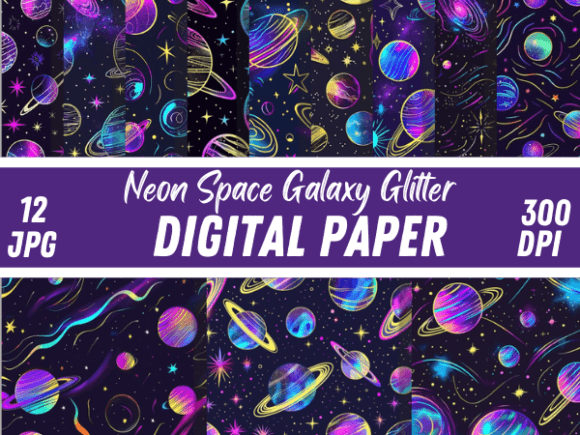
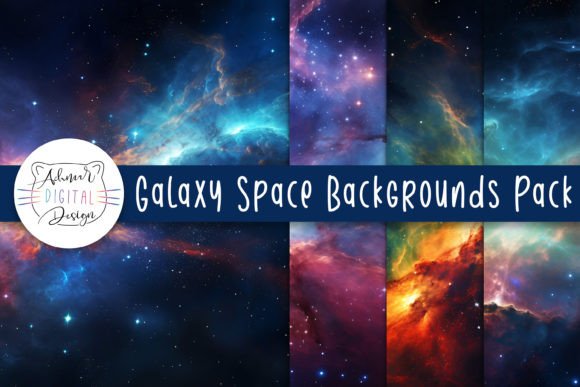
There is a specific type of creative block that happens when you need a backdrop that feels vast, mysterious, and visually arresting without distracting from your foreground content. If you have ever spent hours searching for the right nebula texture or star field, only to find low-resolution files that look muddy when printed, you know the frustration. The Galaxy Space Backgrounds Pack offers a distinct solution for this. It is a curated collection of four graphic elements designed to serve as high-quality foundations for a variety of projects. These are not just simple gradients; they are textured, atmospheric compositions that evoke the depth of the cosmos, provided in JPEG format at 300 DPI.
Visual Character and Technical Specifications
The aesthetic appeal of this collection lies in its ability to balance complexity with usability. When we talk about "cleanly" designed backgrounds in the context of digital assets, we are referring to the absence of visual noise that competes with typography or logos. The Galaxy Space Backgrounds Pack focuses on rich, deep color palettes—think midnight blues, purples, and accented star clusters—rendered with enough clarity to support modern typography. Because the files are delivered at 300 DPI, they bridge the gap between digital and print media. This resolution is critical for anyone moving beyond web design into physical goods.
For the entrepreneur or crafter, the JPEG format ensures wide compatibility. Whether you are using Adobe Photoshop, Canva, or Procreate, these files drop into your workflow seamlessly. The "clean" nature of the design means you can overlay a bold display font or a delicate script font without the background causing legibility issues. It is about creating a stage where your brand identity can stand out against a cosmic backdrop.
Strategic Applications for Branding and Marketing
Understanding where to apply these backgrounds is just as important as the assets themselves. As a design asset, the Galaxy Space Backgrounds Pack is versatile, but its impact depends on the context of your project. Here are practical areas where these elements shine:
- Podcast and Stream Overlays: If you are a content creator, a deep space background provides a professional, immersive atmosphere for video intros or stream layouts. It suggests technology, future-thinking, and depth.
- Social Media Graphics: Instagram stories and Pinterest pins require immediate visual impact. A galaxy texture serves as a high-engagement backdrop for quotes, announcements, or product highlights. It adds a premium feel to your social feed.
- Packaging and Printables: For crafters and small business owners, these backgrounds are ideal for box inserts, thank you cards, or digital planners. The 300 DPI resolution ensures that the gradients remain smooth and the "stars" remain crisp when sent to a professional printer.
- Web Design Headers: In web design, a hero section featuring a subtle space background can set an innovative tone. It works particularly well for tech startups, creative agencies, or gaming communities looking to establish a modern typography hierarchy.
Typography Pairing and Readability
One of the most common mistakes in using textured backgrounds is ignoring the relationship between the image and the text. Because galaxy backgrounds tend to be high-contrast with varying light values, your choice of typeface is crucial. You want to ensure your text remains the focal point.
Avoid using thin, light-weight fonts that might get lost in the lighter areas of the nebulae. Instead, opt for a sans serif font with a medium to bold weight, or a serif font with strong strokes. If you are creating a logo design, consider adding a subtle drop shadow or a semi-transparent overlay shape behind your text to separate it from the stars. This technique maintains the "wow" factor of the background while ensuring your message is readable. The goal is to use the background to support your visual hierarchy, not to compete with it.
Evaluating Fit for Commercial Projects
Before integrating the Galaxy Space Backgrounds Pack into a client project or a commercial product line, it is wise to evaluate the "personality" of the asset. Does a cosmic theme align with the brand's voice? For a legal firm, it might be too abstract. However, for a music festival, a tech gadget launch, or a children’s educational toy line, it can be the perfect fit.
When testing the assets, try layering them with other design assets. For instance, combine the space background with geometric shapes or line art to create a more structured composition. This is particularly useful in editorial design for magazine covers or posters where you need to balance imagery with dense blocks of text.
Practical Workflow Tips
To get the most out of this collection, consider your production pipeline. Since these are JPEG files, they are ready to use immediately, but there are ways to enhance them further:
- Color Grading: Even though the backgrounds are clean, you may want to adjust the hue or saturation to match a specific client's color palette. A simple color overlay can shift a blue galaxy to a brand-specific teal or purple.
- Opacity Adjustments: If the background is too dominant for your packaging design, reduce the opacity slightly or blend it with a solid white or black layer to create a "ghosted" texture.
- File Management: Keep the original zipped file safe. Having the unedited 300 DPI masters ensures you can repurpose these backgrounds for future campaigns at different scales, from business cards to large-format banners.
Ultimately, the value of a resource like the Galaxy Space Backgrounds Pack lies in its ability to save you time while elevating your creative output. It provides a professional foundation that you can build upon, allowing you to focus your energy on the core message and strategy of your project rather than getting lost in the weeds of asset creation. Whether you are a designer looking for texture or a marketer looking for a "wow" factor, these backgrounds offer a practical, high-quality starting point.